


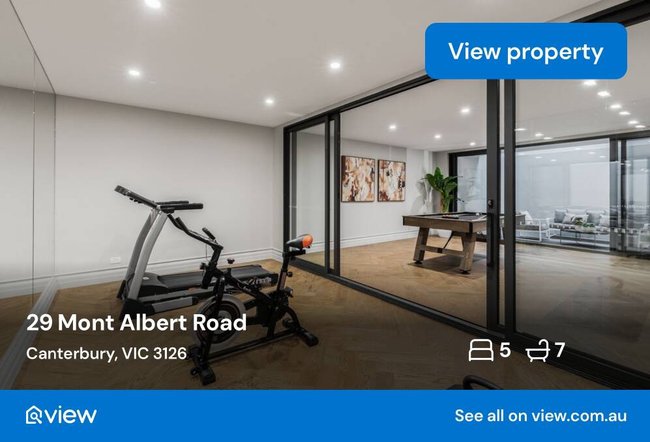
If you’ve been considering a home gym, it’s time to look at the numbers. According to property experts, a well-designed garage to gym conversion can add $15,000 to $25,000 to a home’s value, with an average upgrade costing around $5,000. That’s an impressive four times return on investment, but only if you get it right.
The garage dilemma: Asset or liability?
Garages are often the most popular spot for home gyms, but they’re also a high-stakes real estate gamble. Convert the space poorly, and you could lose $30,000 to $60,000 in buyer appeal. In dense inner-city suburbs like Sydney’s Inner West or Melbourne’s Richmond, a secure car park is worth its weight in gold. Lose the car space, and your “wellness upgrade” might look more like a liability.
Know the news with the 7NEWS app: Download today
On the flip side, a high-end gym signals a high-performance lifestyle, particularly in post-COVID Australia, where convenience is a currency. Buyers with busy careers are often willing to pay a premium for a turnkey workout space that saves them commuting hours each week.
The pros: Why the ‘wellness suite’ wins

Flexibility is key. Unlike a permanent home cinema, a gym can remain a “soft” conversion. Modular flooring and freestanding equipment make it a flex room, adaptable to future trends and appealing to buyers looking for versatility. For homes with deep garages or underutilised spaces, converting the back half into a gym increases the habitable feel without the cost of a full-scale extension. According to property valuers, this can translate into a value bump of up to $20,000, depending on the quality of the upgrade and the suburb.
Alex Loven, CEO at Net World Sports, says: “A home gym makes it much easier for people to stay active because it eliminates barriers like commuting to a commercial gym, waiting for equipment, or fitting workouts into a busy schedule. Having a dedicated workout space at home encourages consistency and makes exercise feel more achievable.”
Even a modest space can be highly effective. “With a few essentials, dumbbells, resistance bands, a cardio option, and a mat for stretching or yoga, a home gym can support a wide range of workouts and make staying fit more convenient,” Loven adds.
The cons: When the workout weakens the sale
If your gym prevents a car from being parked inside a garage, you could be shaving $30,000 to $60,000 off your potential buyer pool.
There are other pitfalls to be aware of. Poor ventilation can lead to moisture, mildew, and rusted barbells, instantly turning your value-add into a buyers’ ‘ick. Low-effort gyms with cheap mats and mismatched weights can also clutter the space, discouraging potential buyers.
The key is to avoid the DIY trap. A professionally styled gym with quality flooring, bright lighting, mirrors, and neat storage ensures that the room feels inviting rather than chaotic.The most successful gym conversions follow the 24-Hour Rule. The space must be capable of returning to its original purpose, usually a garage, within a day. This approach preserves both lifestyle appeal and resale potential.
When done right, a $5,000 garage-to-gym upgrade can add up to $20,000 in value, transforming underused space into a luxury wellness retreat that attracts motivated buyers.
“Even a modest space can be highly effective with a few essentials,” Loven says.
“It helps maintain consistency, makes exercise enjoyable, and turns workouts into part of your daily routine.”
So before you bolt in a power rack, think carefully, but with the right design, your flex room could be the biggest ROI upgrade in your home this year, without losing your car in the process.


