


NEWYou can now listen to Fox News articles!
An 18-year-old hiker’s death on one of the Grand Canyon’s best-known trails is underscoring a frequent summer danger: Extreme heat can overwhelm even some of the healthiest hikers.
The hiker, whose name has not yet been released, was on a day hike from the South Rim to the Colorado River and back via the Bright Angel Trail when he began experiencing “heat-related symptoms” below Havasupai Gardens on June 3, the National Park Service (NPS) said.
Grand Canyon National Park rangers found the hiker about 30 feet below the trail in a remote area near Garden Creek. Despite “rapid response efforts,” lifesaving measures were unsuccessful, according to the park.
NATIONAL PARK DEATH EXPOSES REPEATED RULE VIOLATIONS AS TOURISTS TAKE DANGEROUS RISKS
“Heat stroke sets in when heat builds up faster than the body can shed it and the core temperature climbs past a critical and individual threshold,” Dr. Jeremy Joslin, a clinical associate professor of emergency medicine at the State University of New York Upstate Medical University, told Fox News Digital.
“The brain begins to be injured, producing confusion, disorientation, loss of coordination, collapse and loss of consciousness,” said Joslin, who is also an emergency physician (he did not treat the hiker and was not involved in the case).
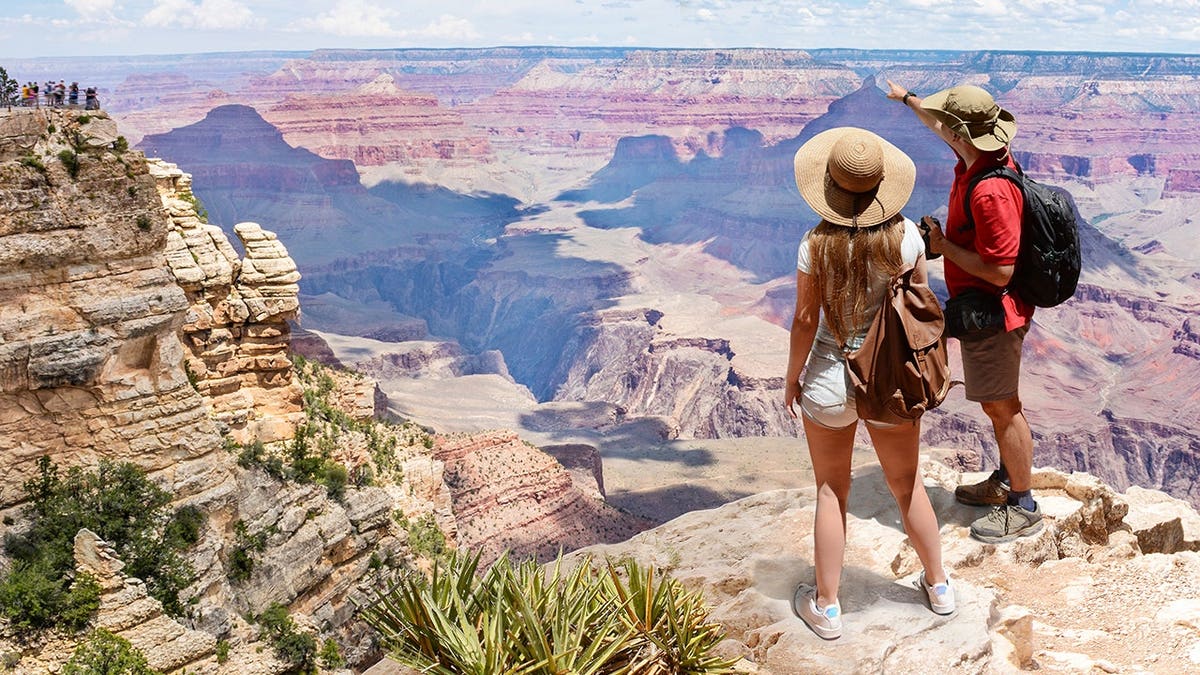
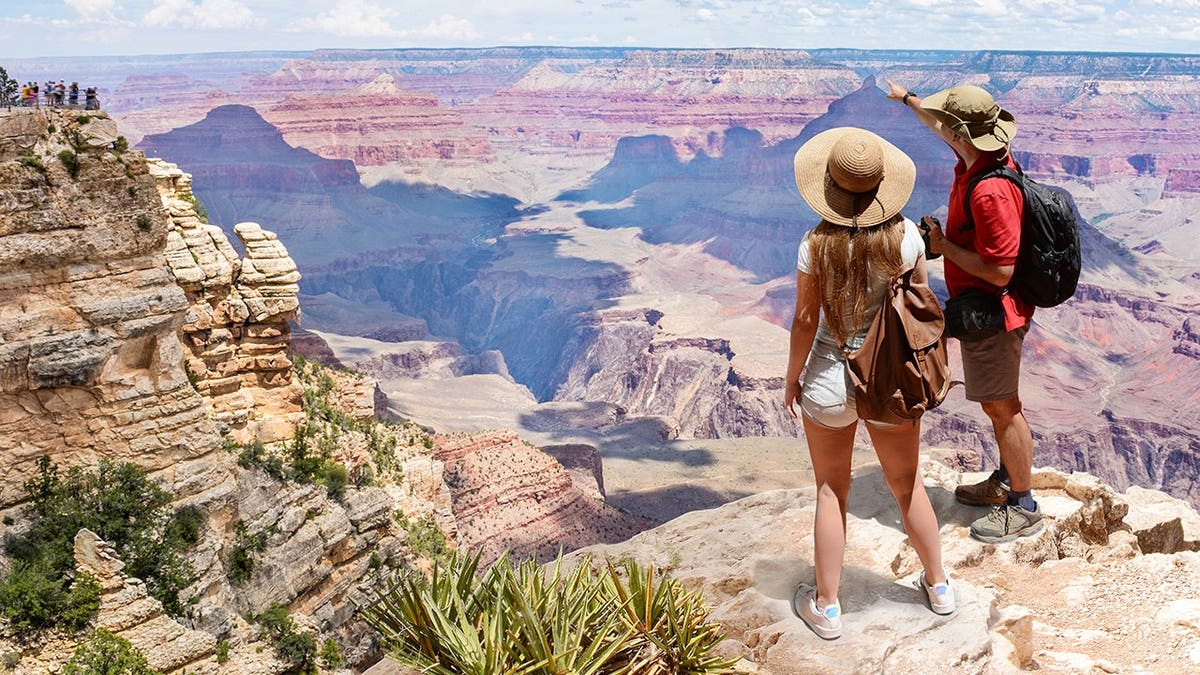
The recent death of a teen hiker (not pictured) on a popular Grand Canyon trail is reigniting a conversation about the dangers of hiking in extreme heat. (iStock)
Temperatures at the time of the young hiker’s death were around 109°F in Grand Canyon National Park, as FOX Weather reported.
Grand Canyon’s rim-to-river routes can be deceptive because the steepest physical test comes on the way out, after hikers have descended into hotter terrain, experts say.
2 MYSTERY DEATHS AT ZION NATIONAL PARK PROMPT URGENT QUESTIONS ABOUT VISITOR SAFETY
Bright Angel Trail is one of the park’s most recognizable routes. It drops 4,460 feet over 7.8 miles from the South Rim to the Colorado River, according to the NPS’s Bright Angel Trail Guide.
Officials warn that hikers can face dangerous heat, dehydration and a grueling climb back out of the canyon.
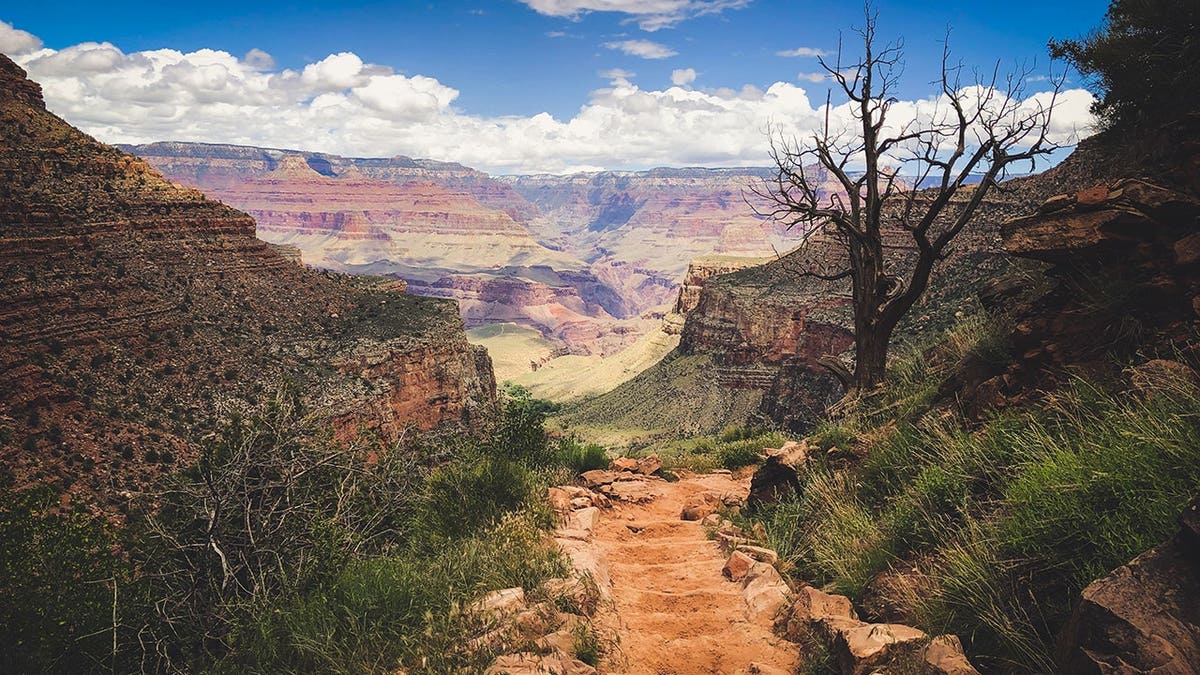
Bright Angel Trail, pictured here, is one of Grand Canyon National Park’s most recognizable routes. (iStock)
“The inner canyon is considerably hotter than the rim, there is little shade, the hardest stretch is the climb out when a hiker is already depleted — and help can be far away,” Joslin said.
The park warns visitors against attempting the South Rim-to-river-and-back trip as a day hike during summer heat, the NPS website says.
GRIZZLY BEAR MAULS HIKER, DRAGS HIM DOZENS OF FEET ON GLACIER NATIONAL PARK TRAIL
Park officials have issued similar warnings previously.
In July 2023, a 57-year-old woman died after becoming unconscious during an eight-mile hike in the remote Tuweep area of Grand Canyon National Park, where temperatures were above 100 degrees, according to the NPS.
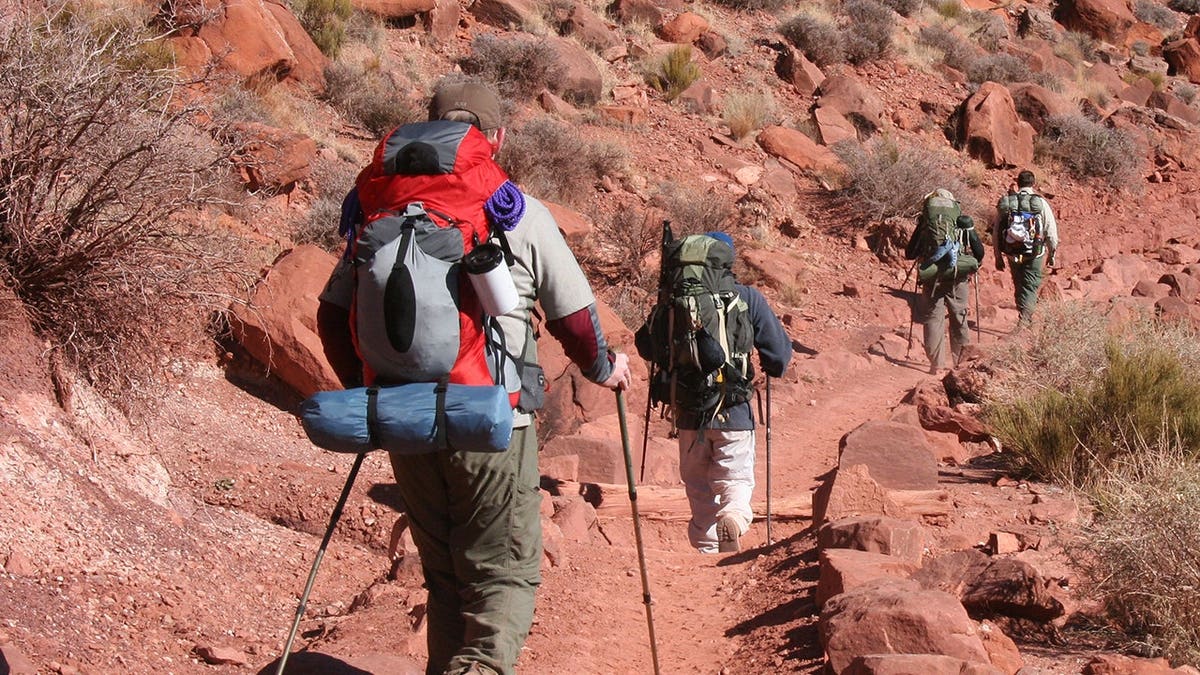
Rim-to-river routes, pictured here, can be deceptive because the most difficult stretch comes on the way out, experts say. (iStock)
In June 2021, Michelle Meder, 53, became disoriented and later unconscious on the Tonto Trail near Monument Creek. Officials believe her death was heat-related, NPS reported.
The pattern is not limited to the trails at the Grand Canyon.
CLICK HERE FOR MORE LIFESTYLE STORIES
“You do not need humidity for heat stroke to occur. The Grand Canyon is hot and very dry, and that is precisely the danger,” Joslin said.
“Because the air is so dry, sweat evaporates almost instantly. A person can be sweating heavily and not sense it,” he added.
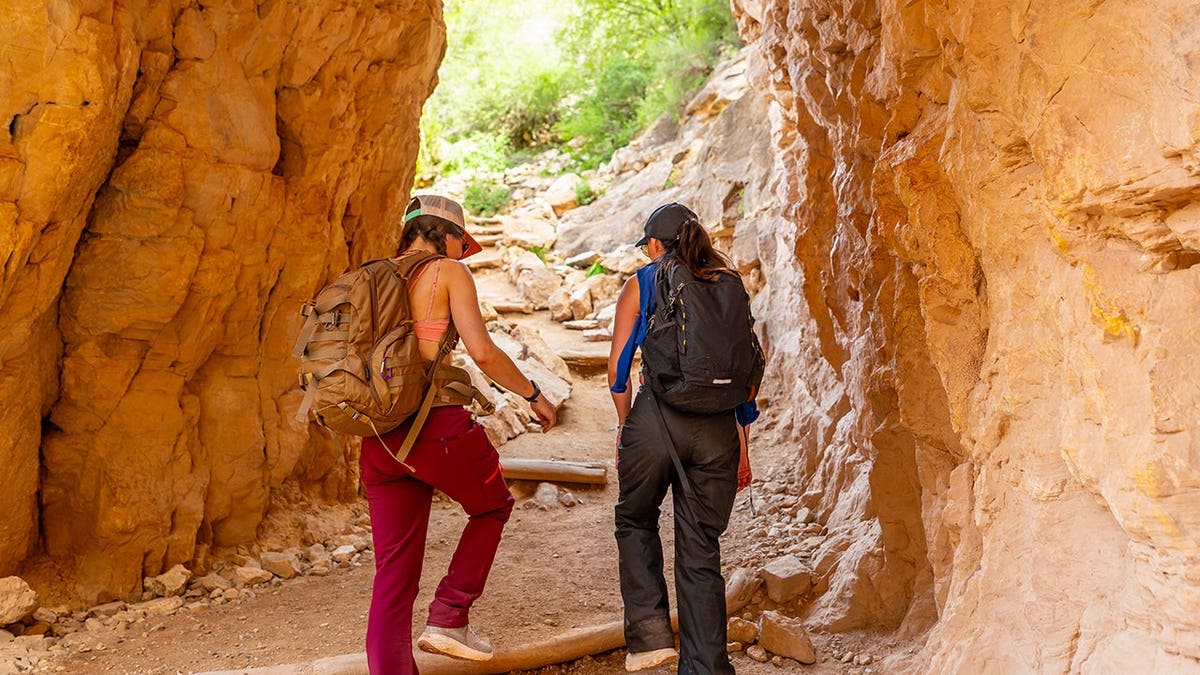
Heat illness can be mistaken for fatigue, thirst or exhaustion, which can cause an issue on the Bright Angel Trail, pictured here. (iStock)
Early physical symptoms of heat illness may be mistaken for fatigue, thirst or exhaustion, according to Joslin.
“Any change in mental status or behavior, such as confusion, disorientation, slurred or irrational speech, or acting out of character, is the red flag, and it means you should cool the person immediately,” Joslin said.
CLICK HERE TO SIGN UP FOR OUR LIFESTYLE NEWSLETTER
Park rangers advise hikers to avoid the inner canyon during the heat of the day, particularly between 10 a.m. and 4 p.m., when exposed trails can become dangerous.
“Do the hard miles in the cool early morning, rest in the shade during peak heat, and set your turnaround by the time and the temperature rather than by how you feel,” Joslin said.
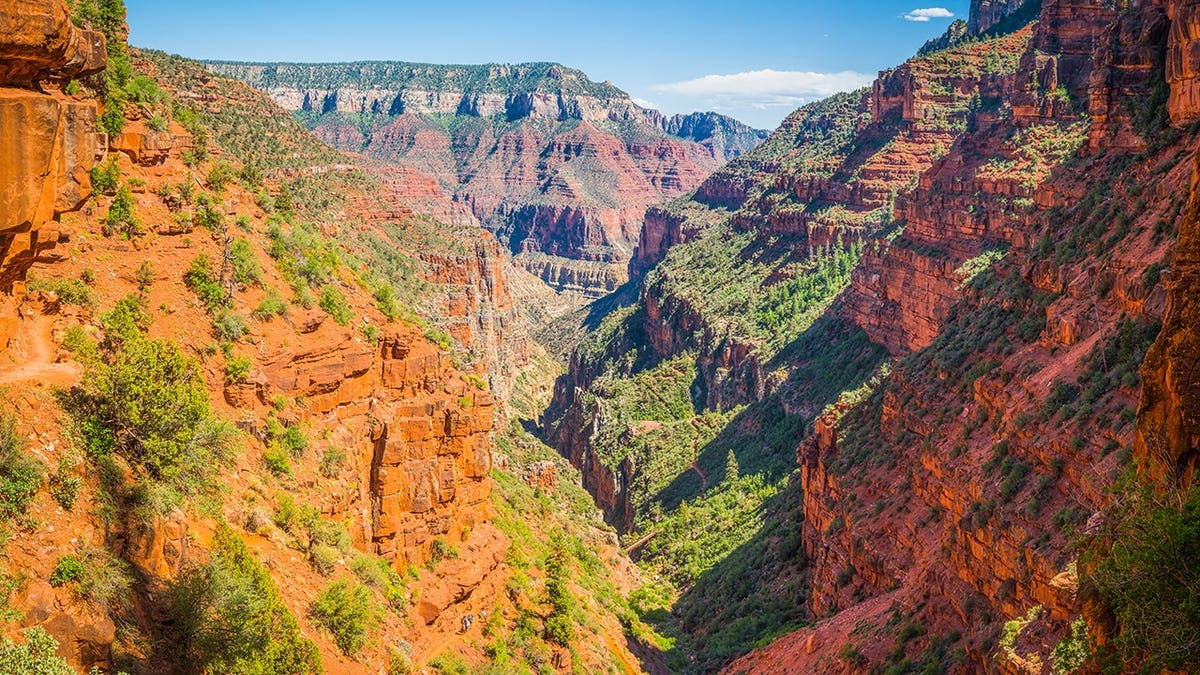
The North Kaibab Trail, pictured here, descends below the Supai Tunnel toward Bright Angel Canyon. (iStock)
Sports drinks and salty snacks may help hikers replace sodium lost through sweat, but Joslin said they cannot protect against heat stroke.
TEST YOURSELF WITH OUR LATEST LIFESTYLE QUIZ
“Electrolyte drinks address hydration and sodium, but they do not prevent heat stroke,” he said.
Over-hydration can also create a medical emergency, he said.
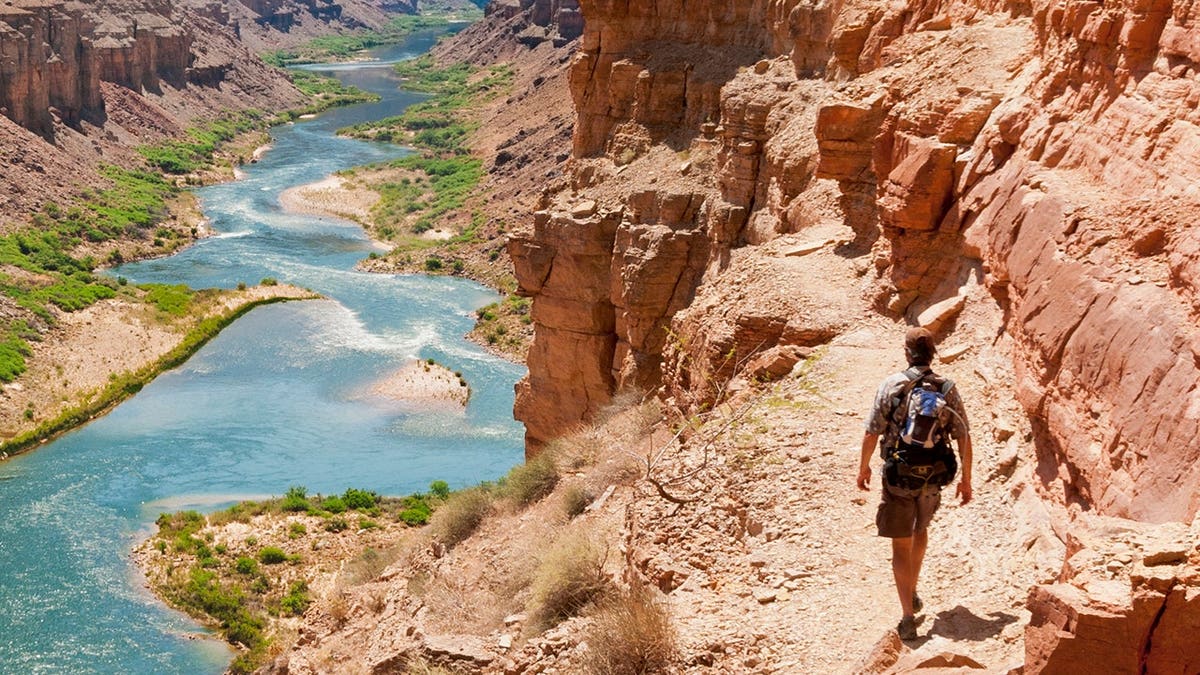
Experts say exertional heat stroke among hikers is different from heat stroke seen among elderly or medically vulnerable people. (iStock)
“The single most important rule is to cool first as soon as possible. Onsite cooling before evacuation or transport to the hospital is the central recommendation of the National Athletic Trainers’ Association’s guidance on exertional heat illness,” he said.
CLICK HERE TO DOWNLOAD THE FOX NEWS APP
The Grand Canyon death remains under investigation by the NPS and the Coconino County Medical Examiner’s Office.
Fox News Digital reached out to the Grand Canyon Office of Communications and the NPS for further comment.


